
Geopolitical Tensions and Your Supply Chain
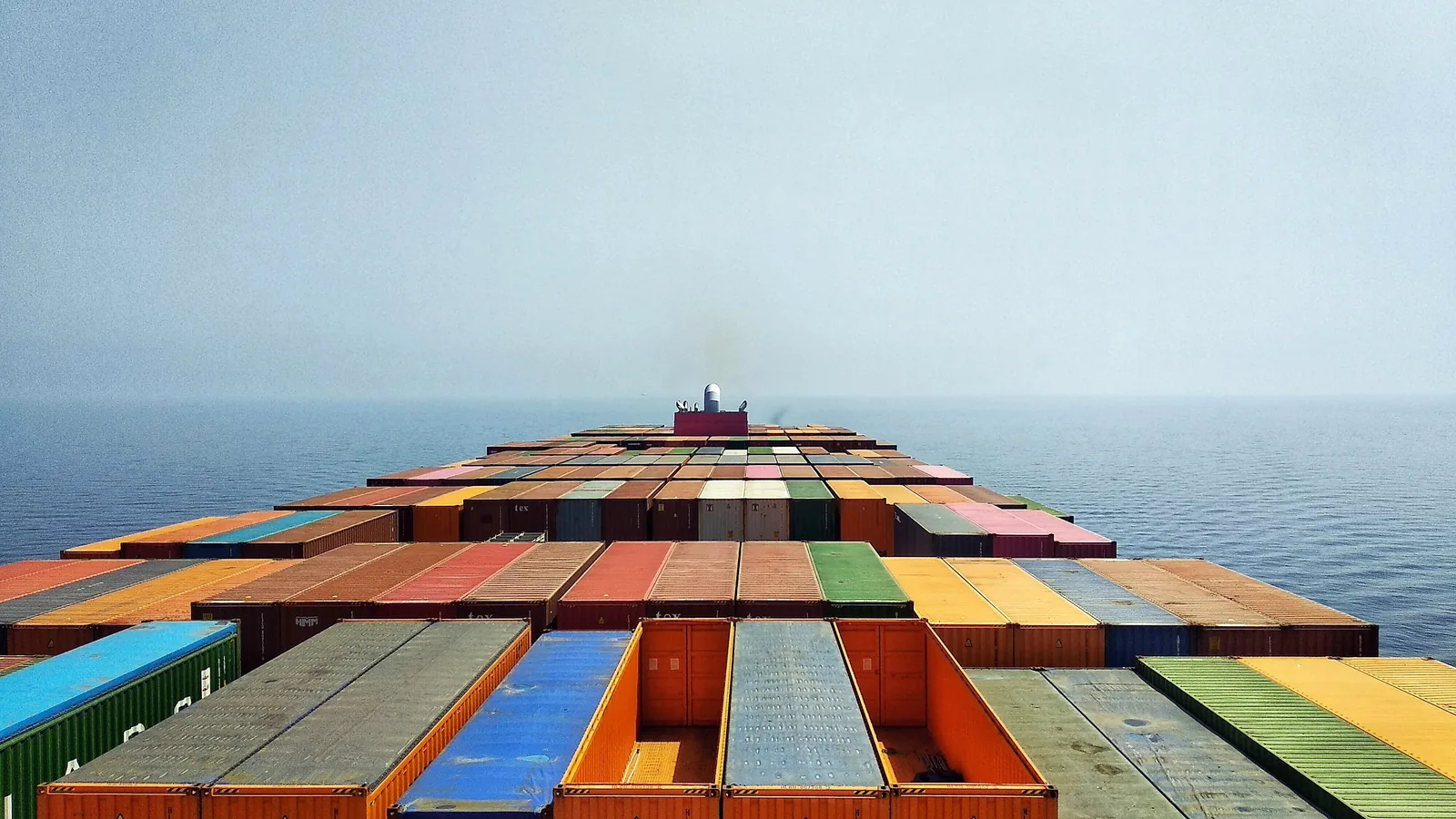
Global logistics networks are what let a business buy in one country and sell in another. They are also, for the same reason, exposed to events that have nothing to do with logistics. A tariff decision, a closed strait or a new sanctions list can change the cost and the timing of a shipment that was booked weeks earlier.
The exposure cannot be removed. It can be understood, and most of it can be planned around.
1. Trade wars and tariffs
Tariffs raise the landed cost of goods, and the cost is passed along. They also push companies to move production, which creates new and less familiar supply chains, and they change the compliance burden: classification, origin documentation and customs requirements all shift with them.
What helps: diversify the supply base. A second origin in a different trade bloc is the only hedge that works against a tariff on the first.
2. Regional conflict and the routes it closes
Conflict reroutes ships. A longer routing means more sea days, more fuel and a later arrival, and it usually means higher insurance for the leg that remains. Where a port closes outright, cargo has to find another way into the country.
What helps: multimodal planning. Knowing in advance which shipments could move by air, and what that would cost, turns a crisis into a decision.
3. Sanctions
Sanctions restrict access to markets, counterparties and sometimes vessels. They change quickly, and the obligation to keep up sits with the shipper as much as the forwarder. The practical risk is less about the headline and more about a supplier or a carrier appearing on a list mid-shipment.
What helps: screening that is part of the process rather than a response to the news.
4. Currency
Freight is quoted in US dollars on most international lanes while the goods are often bought and sold in something else. A moving exchange rate changes the landed cost of a shipment between the booking and the invoice, and it can delay payment at both ends.
What helps: treating freight as a currency exposure and hedging it the way any other one would be.
5. Borders and compliance
Stricter inspection means longer transit. New requirements mean more documentation. Getting either wrong means fines on top of the delay. This is the least dramatic item on the list and the one that costs most businesses the most money.
What helps: proactive risk management, which in practice means a broker who reads the changes before they apply rather than after a container is held.
What this means on the Asia lanes
For shippers moving between Southeast Asia and Australia or New Zealand, the direct exposure is usually lower than the headlines suggest, because the lane is short and the chokepoints are elsewhere. The indirect exposure is real: capacity withdrawn from one trade is capacity withdrawn from all of them, and a vessel taking the long way round somewhere else is a vessel not available here. That is why a disruption in a region you do not ship to still shows up on your rate.
Keep reading
More from the blog

Peak Season Shipping from Asia: How to Prepare for 2026
Space tightens from August, the surcharges arrive before the rates do, and the Chinese New Year shutdown closes the year off. Here is the timeline, the charges to budget for, and what to do in each window.

Chinese New Year 2026: What Importers Need to Know
The holiday lasts a week. The disruption lasts six to eight. Here is when the 2026 shutdown starts, how it moves rates and space on the Asia lanes, and what to have done before it does.

Vietnam Trade Lane: The Rising Star of Asian Logistics
Ten years ago Vietnam was somewhere goods were made. Today it is one of the busiest bridges between Asia and the rest of the world, and the lane into Australia and New Zealand is growing with it.