
Shipping from China to Australia: Transit Times and What Moves Them
The most common question we are asked about the China to Australia lane is how long it takes. The honest answer is a range, and the range is wide, because the mode is only the first of several things that decide it.
The three options
Air freight: 2 to 7 days
The fastest way to move goods, and the right answer when the date matters more than the rate: time sensitive stock, high value goods, small and urgent consignments, or anything replacing a shipment that has already gone wrong. It is expensive for heavy or bulky cargo, and the weight is charged on whichever is greater, the actual or the volumetric.
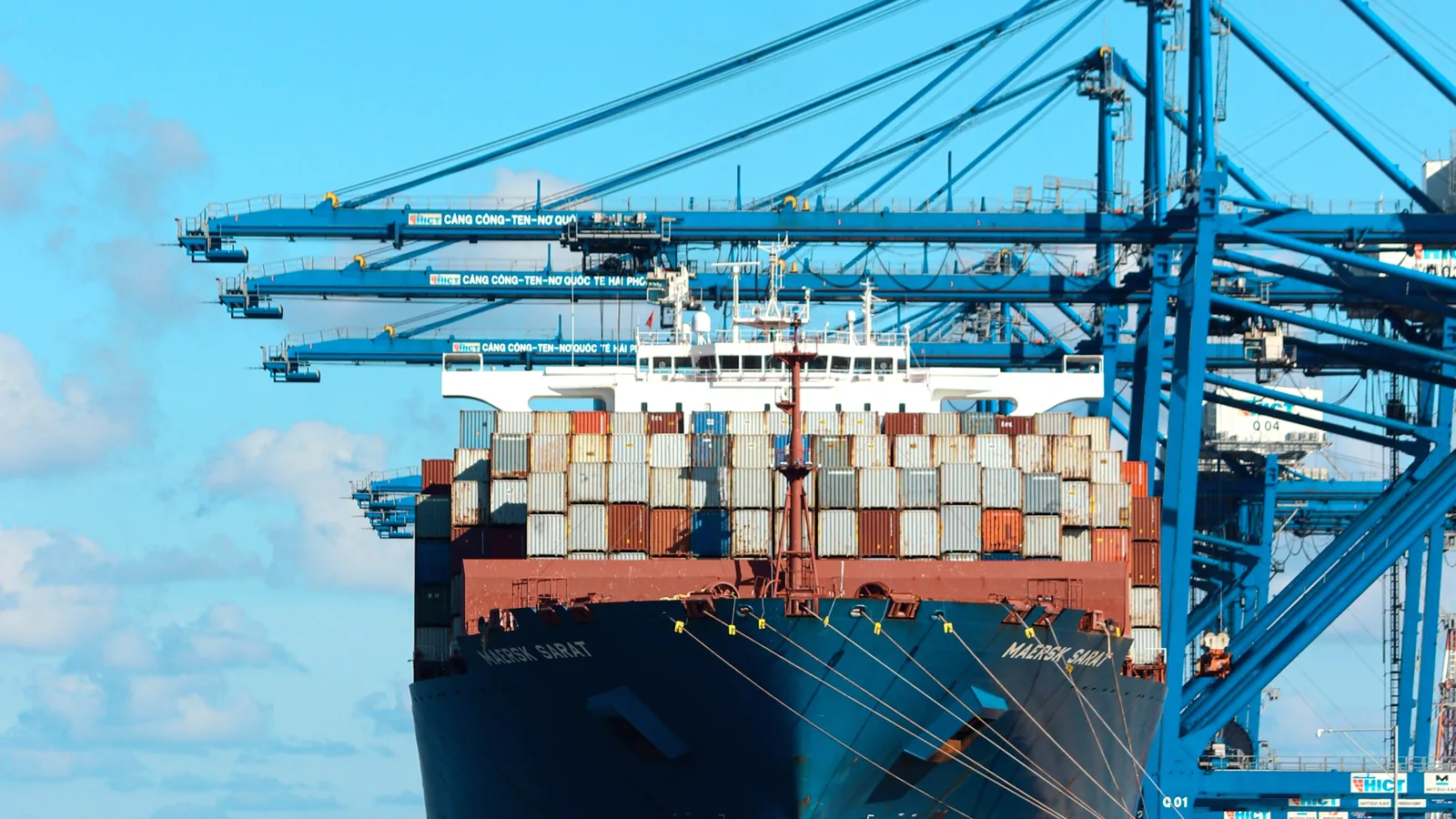
Sea freight: 14 to 40 days
The cost effective option for volume, and the one most businesses build their planning around. The spread is genuine. A direct service into Sydney or Melbourne sits at the lower end; a transhipment, an LCL consolidation waiting for a full container, or a sailing in a congested week sits at the upper end.
Express courier: 3 to 7 days
Door to door with tracking, suited to samples, parcels and small e-commerce consignments. Convenient, and priced accordingly once the consignment is large enough to compare against air freight on a proper rate.
What moves the number
- The port pair. A direct service is a different shipment from one that transhipments through a third port, even on the same route.
- Sailing frequency. A weekly service missed by a day costs a week, not a day.
- Congestion. At the origin before a holiday, at the destination during peak.
- FCL against LCL. LCL waits for the consolidation to fill, then waits again to be deconsolidated at the other end. Budget several days at each end.
- Customs. Clean paperwork clears in a day or two. A query, a permit or an inspection adds time and storage.
Customs clearance in Australia
Clearance is where most of the avoidable delay lives. The documentation needs to be right the first time: a commercial invoice and packing list that agree with each other, the correct tariff classification, and any permits or treatment certificates the goods require. Australia enforces biosecurity carefully, and a container selected for inspection accrues storage and detention while it waits its turn.
Three planning rules
- Plan to the upper end of the range, not the lower. A shipment that arrives early is never a problem.
- Choose the mode against the deadline, not the habit. The cheapest shipment that misses the season costs more than the expensive one that does not.
- Track it. A delay you know about on day three is a decision. The same delay on day twenty is an apology.
If you are working this lane regularly, the most useful thing to agree with your forwarder is not the rate. It is the cut-off calendar: when the booking has to be placed, when the documents have to be in, and what happens if the supplier is late. Everything else follows from those three dates.
Keep reading
More from the blog

Peak Season Shipping from Asia: How to Prepare for 2026
Space tightens from August, the surcharges arrive before the rates do, and the Chinese New Year shutdown closes the year off. Here is the timeline, the charges to budget for, and what to do in each window.

Chinese New Year 2026: What Importers Need to Know
The holiday lasts a week. The disruption lasts six to eight. Here is when the 2026 shutdown starts, how it moves rates and space on the Asia lanes, and what to have done before it does.

Vietnam Trade Lane: The Rising Star of Asian Logistics
Ten years ago Vietnam was somewhere goods were made. Today it is one of the busiest bridges between Asia and the rest of the world, and the lane into Australia and New Zealand is growing with it.